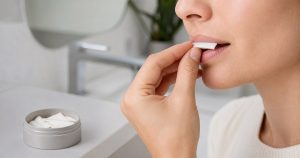
Why the pouch format does not remove interaction risk
A caffeine pouch is used in the mouth, but the caffeine still enters the body and can affect alertness, heart rate, blood pressure and sleep. A discreet format may also make it easy to forget the total dose. “Nicotine-free” does not mean “interaction-free.” The clinically useful numbers are milligrams per pouch, number of pouches, timing and caffeine from every other source.
Medicines and supplements worth flagging
Tell your pharmacist about prescription stimulants, decongestants and cold remedies, asthma medicines, heart or blood-pressure medicines, and any product that already contains caffeine. Certain medicines can also change how caffeine is processed. Supplement labels matter too: pre-workout blends, guarana, yerba mate, green-tea extracts and energy products may add caffeine even when the front label emphasizes another ingredient. This is a screening list, not a diagnosis; the answer depends on the specific drug, dose and health history.
Make a complete daily caffeine inventory
Write down each source for one normal day: pouch strength multiplied by pouch count, coffee, tea, soda, energy drinks, gum, gels, tablets, pre-workout and relevant medicines. Record the time as well as the total. A 100 mg pouch plus a 200 mg pre-workout and two coffees is not a 100 mg day. Product serving sizes vary, so use the package label rather than a generic estimate whenever possible.
Five questions to ask your pharmacist
Bring the pouch can or a clear photo of its ingredient panel. Ask: Does caffeine interact with any of my medicines? Could the effects on heart rate, blood pressure, anxiety or sleep add together? Should I separate the timing? Is there a lower amount that better fits my current caffeine intake? Which symptoms mean I should stop and seek help? Also mention pregnancy, breastfeeding, planned surgery, heart rhythm problems, high blood pressure, anxiety, seizures and sleep disorders.
Safer first-use and warning signs
If a clinician says caffeine is appropriate, avoid testing a new pouch strength on the same day as a new medicine or a large caffeine load. Use one clearly labelled product at a time and do not stack doses before you understand the effect. Remove the pouch and stop additional caffeine if you feel unwell. Chest pain, fainting, severe or persistent palpitations, confusion, seizures, breathing difficulty or suspected overdose requires urgent medical or poison-control advice.
A practical record for future appointments
Keep a short log with product name, milligrams per pouch, start and removal time, other caffeine, medicines, food, sleep and symptoms. This does not prove an interaction, but it gives a pharmacist or clinician better information than “I felt strange.” Store unopened and used pouches out of reach of children and pets, and never swallow, chew, cut or reuse a pouch.
Frequently asked questions
Can I use caffeine pouches with ADHD medication?
Prescription ADHD medicines may already have stimulant effects. Ask the prescriber or pharmacist who knows your exact medicine and dose before combining them with caffeine.
Can I use a caffeine pouch with cold medicine?
Some cold and decongestant products can add stimulant effects or contain caffeine. Check the active ingredients and ask a pharmacist before combining products.
Should I stop caffeine pouches before surgery or a medical test?
Follow the specific instructions from the surgeon, anesthesiology team or testing facility. Tell them about caffeine pouches and all supplements rather than assuming they count as food or drink.
Sources and further reading
- MedlinePlus: Caffeine
- U.S. FDA: Mixing Medications and Dietary Supplements Can Endanger Your Health
- U.S. FDA: Spilling the Beans—How Much Caffeine Is Too Much?
This article provides general educational information, not medical, legal or regulatory advice. Requirements and individual risks vary.
{“@context”: “https://schema.org”, “@type”: “FAQPage”, “mainEntity”: [{“@type”: “Question”, “name”: “Can I use caffeine pouches with ADHD medication?”, “acceptedAnswer”: {“@type”: “Answer”, “text”: “Prescription ADHD medicines may already have stimulant effects. Ask the prescriber or pharmacist who knows your exact medicine and dose before combining them with caffeine.”}}, {“@type”: “Question”, “name”: “Can I use a caffeine pouch with cold medicine?”, “acceptedAnswer”: {“@type”: “Answer”, “text”: “Some cold and decongestant products can add stimulant effects or contain caffeine. Check the active ingredients and ask a pharmacist before combining products.”}}, {“@type”: “Question”, “name”: “Should I stop caffeine pouches before surgery or a medical test?”, “acceptedAnswer”: {“@type”: “Answer”, “text”: “Follow the specific instructions from the surgeon, anesthesiology team or testing facility. Tell them about caffeine pouches and all supplements rather than assuming they count as food or drink.”}}]}