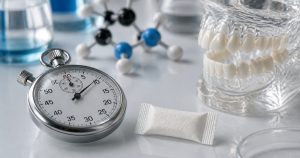
How pouch release time differs from caffeine duration, why effects can last for hours, and how half-life influences sleep
Pouch time and caffeine time are different
The time a pouch stays under the lip is not the same as the time caffeine remains active. The pouch may release most of its available formula during the labelled use period, yet absorbed caffeine continues circulating after removal. Reusing a spent pouch or leaving it in longer does not reliably extend useful energy and may increase local irritation.
Perceived alertness often lasts a few hours, but dose, tolerance, sleep debt and other ingredients shape the experience. A person can stop feeling a “boost” while meaningful caffeine remains in the body.
What caffeine half-life means
Half-life is the time required for the body to reduce the circulating amount by half. Caffeine half-life is commonly several hours and varies widely. If 100 mg is absorbed and an illustrative half-life is five hours, about 50 mg remains after five hours and about 25 mg after ten hours. This is a teaching example, not a personal prediction.
Pregnancy, medications, liver function, smoking status and genetics can change clearance. This variability is why fixed claims such as “completely gone in four hours” are unreliable.
Why the same pouch lasts differently for different people
A habitual coffee drinker may feel less stimulation because of tolerance, while a caffeine-sensitive user may feel effects from a mild dose late into the day. Food and hydration can change comfort, but neither instantly removes caffeine. Poor sleep may make the initial improvement more noticeable while also increasing the temptation to redose.
Formula release is another variable. Moisture, pH and pouch material influence when caffeine becomes available. L-theanine may change subjective experience for some people but does not speed caffeine elimination or protect sleep from a late high dose.
Plan the effect backward from bedtime
Set an intended sleep time and create a conservative personal caffeine cutoff many hours earlier. EFSA notes that even a single 100 mg dose close to bedtime may affect sleep duration and patterns in some adults. Use the lowest effective labelled dose and avoid repeated late-afternoon stacking.
If sleep becomes shorter, lighter or delayed, move the cutoff earlier or reduce total intake. Caffeine can support temporary alertness; it cannot replace restorative sleep.
Frequently asked questions
Are caffeine pouches nicotine-free?
A pure caffeine pouch can be formulated with zero nicotine and zero tobacco. Always confirm the specific ingredient list.
Is 400 mg a target dose?
No. FDA cites 400 mg per day from all sources as an amount not generally associated with negative effects for most adults; it is not a personal target.
Are caffeine pouches for minors?
No. Adult caffeine products should be kept away from children and pets.
Does removing the pouch stop the effect immediately?
No. Removal stops further release from that pouch, but absorbed caffeine remains in the body for hours.
{“@context”: “https://schema.org”, “@type”: “FAQPage”, “mainEntity”: [{“@type”: “Question”, “name”: “Are caffeine pouches nicotine-free?”, “acceptedAnswer”: {“@type”: “Answer”, “text”: “A pure caffeine pouch can be formulated with zero nicotine and zero tobacco. Always confirm the specific ingredient list.”}}, {“@type”: “Question”, “name”: “Is 400 mg a target dose?”, “acceptedAnswer”: {“@type”: “Answer”, “text”: “No. FDA cites 400 mg per day from all sources as an amount not generally associated with negative effects for most adults; it is not a personal target.”}}, {“@type”: “Question”, “name”: “Are caffeine pouches for minors?”, “acceptedAnswer”: {“@type”: “Answer”, “text”: “No. Adult caffeine products should be kept away from children and pets.”}}, {“@type”: “Question”, “name”: “Does removing the pouch stop the effect immediately?”, “acceptedAnswer”: {“@type”: “Answer”, “text”: “No. Removal stops further release from that pouch, but absorbed caffeine remains in the body for hours.”}}]}
Sources and responsible-use note
- U.S. FDA: How Much Caffeine Is Too Much?
- EFSA: Caffeine safety assessment
- PubMed: caffeine gum absorption compared with capsules
This article is educational, not medical advice. Caffeine response varies with sensitivity, body size, sleep, medications and health conditions. Count caffeine from every source, follow the label and ask a qualified professional for individual guidance.