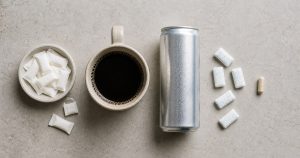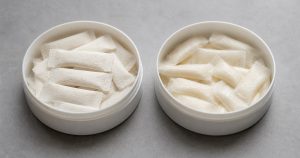
A practical comparison of caffeine pouches and pre-workout powder for dose clarity, stomach comfort, ingredients and training convenience
The main difference is the complete formula
A pure caffeine pouch is a compact oral format that may contain caffeine, fibers, sweeteners, flavors, moisture-control and pH ingredients. Pre-workout powder often combines caffeine with beta-alanine, citrulline, creatine, electrolytes, flavors and sweeteners. The products are not interchangeable when the powder is chosen for non-caffeine performance ingredients.
Compare the exact label rather than the category name. Some pre-workouts are caffeine-free; some contain multiple stimulant sources. Some pouches are mild, while others contain a high single dose.
Dose and stacking risk
The clearest comparison is caffeine milligrams per intended serving. Add coffee, tea, energy drinks and earlier pouches. Using a pouch on top of a full-stimulant pre-workout can unintentionally create a high total and increase jitters, anxiety, palpitations or sleep disruption.
For most healthy adults, FDA cites 400 mg per day from all sources as an amount not generally associated with negative effects, but personal tolerance may be far lower. EFSA also discusses 200 mg as a single-dose level without safety concern for the general healthy adult population under specified conditions; that is not a training target.
Convenience and stomach feel
A pouch requires no shaker, liquid volume or powder mixing and can be discreet before a session. That can appeal to adults who dislike drinking a large flavored product. It does not guarantee freedom from stomach effects because caffeine and saliva may still be swallowed.
Powder can provide hydration and a broader ingredient profile, but serving accuracy depends on using the supplied scoop correctly and following directions. Dry-scooping is not a responsible shortcut.
Choose based on the workout, not the hype
For a short gym visit focused on caffeine convenience, a low or moderate clearly labelled pouch may be simpler. For training where citrulline, electrolytes or carbohydrates are intentional, an appropriately formulated drink may be more relevant. First-time testing should happen on a normal training day, not before competition or extreme exercise.
People with cardiovascular conditions, pregnancy, caffeine sensitivity or relevant medication should seek individual guidance. Stop for concerning symptoms and do not use caffeine to train through illness or dangerous fatigue.
Frequently asked questions
Are caffeine pouches nicotine-free?
A pure caffeine pouch can be formulated with zero nicotine and zero tobacco. Always confirm the specific ingredient list.
Is 400 mg a target dose?
No. FDA cites 400 mg per day from all sources as an amount not generally associated with negative effects for most adults; it is not a personal target.
Are caffeine pouches for minors?
No. Adult caffeine products should be kept away from children and pets.
Can I use a pouch and pre-workout together?
Only after calculating total caffeine and confirming the product directions. Stacking is often unnecessary and can raise unwanted effects.
{“@context”: “https://schema.org”, “@type”: “FAQPage”, “mainEntity”: [{“@type”: “Question”, “name”: “Are caffeine pouches nicotine-free?”, “acceptedAnswer”: {“@type”: “Answer”, “text”: “A pure caffeine pouch can be formulated with zero nicotine and zero tobacco. Always confirm the specific ingredient list.”}}, {“@type”: “Question”, “name”: “Is 400 mg a target dose?”, “acceptedAnswer”: {“@type”: “Answer”, “text”: “No. FDA cites 400 mg per day from all sources as an amount not generally associated with negative effects for most adults; it is not a personal target.”}}, {“@type”: “Question”, “name”: “Are caffeine pouches for minors?”, “acceptedAnswer”: {“@type”: “Answer”, “text”: “No. Adult caffeine products should be kept away from children and pets.”}}, {“@type”: “Question”, “name”: “Can I use a pouch and pre-workout together?”, “acceptedAnswer”: {“@type”: “Answer”, “text”: “Only after calculating total caffeine and confirming the product directions. Stacking is often unnecessary and can raise unwanted effects.”}}]}
Sources and responsible-use note
- U.S. FDA: How Much Caffeine Is Too Much?
- EFSA: Caffeine safety assessment
- PubMed: caffeine gum absorption compared with capsules
This article is educational, not medical advice. Caffeine response varies with sensitivity, body size, sleep, medications and health conditions. Count caffeine from every source, follow the label and ask a qualified professional for individual guidance.