Common signs of excess caffeine, who may be more sensitive, and how to reduce accidental stacking
Synthetic caffeine has the same core stimulant action
FDA states there is no difference in how the body handles or the safety of naturally occurring caffeine and caffeine added to products. “Synthetic” does not make a dose automatically harsher or safer. The important variables are total milligrams, rate of use, other ingredients and individual sensitivity.
A precisely formulated pouch can improve dose transparency, but precision does not remove dose-related effects.
Common signs of too much caffeine
FDA lists increased heart rate, palpitations, high blood pressure, insomnia or sleep disruption, anxiety, jitters, upset stomach, nausea and headache. Some people experience these below the general 400 mg daily reference, especially when a large amount is taken at once.
Oral discomfort can also come from pouch pH, flavor, moisture or friction. Remove the pouch for sharp pain or persistent irritation; do not treat burning as proof of effectiveness.
Why accidental excess happens
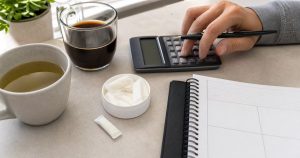
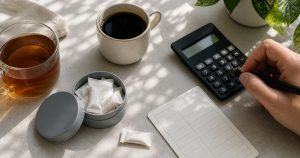
Common patterns include using a pouch after a strong coffee without counting it, taking a second pouch too soon, combining with pre-workout, choosing a high strength as a first trial and using caffeine late to compensate for poor sleep. Beverage caffeine varies, so underestimating a large coffee is easy.
Keep a running total and select the lowest effective labelled strength. Avoid proprietary “energy blends” that do not disclose total caffeine.
What to do when symptoms appear
Stop consuming more caffeine and remove the pouch. Rest, avoid strenuous activity and seek professional advice for persistent symptoms. Severe chest symptoms, fainting, confusion, repeated vomiting, seizure or accidental exposure by a child or pet requires urgent local medical or poison-control assistance.
Do not try to counter excess caffeine with alcohol, sedatives or another supplement. Reduce future dose, separate sources and protect sleep.
Frequently asked questions
Are caffeine pouches nicotine-free?
A pure caffeine pouch can be formulated with zero nicotine and zero tobacco. Always confirm the specific ingredient list.
Is 400 mg a target dose?
No. FDA cites 400 mg per day from all sources as an amount not generally associated with negative effects for most adults; it is not a personal target.
Are caffeine pouches for minors?
No. Adult caffeine products should be kept away from children and pets.
Can L-theanine prevent caffeine side effects?
It may change subjective experience for some people, but it cannot make an excessive caffeine dose safe or guarantee no jitters.
{“@context”: “https://schema.org”, “@type”: “FAQPage”, “mainEntity”: [{“@type”: “Question”, “name”: “Are caffeine pouches nicotine-free?”, “acceptedAnswer”: {“@type”: “Answer”, “text”: “A pure caffeine pouch can be formulated with zero nicotine and zero tobacco. Always confirm the specific ingredient list.”}}, {“@type”: “Question”, “name”: “Is 400 mg a target dose?”, “acceptedAnswer”: {“@type”: “Answer”, “text”: “No. FDA cites 400 mg per day from all sources as an amount not generally associated with negative effects for most adults; it is not a personal target.”}}, {“@type”: “Question”, “name”: “Are caffeine pouches for minors?”, “acceptedAnswer”: {“@type”: “Answer”, “text”: “No. Adult caffeine products should be kept away from children and pets.”}}, {“@type”: “Question”, “name”: “Can L-theanine prevent caffeine side effects?”, “acceptedAnswer”: {“@type”: “Answer”, “text”: “It may change subjective experience for some people, but it cannot make an excessive caffeine dose safe or guarantee no jitters.”}}]}
Sources and responsible-use note
- U.S. FDA: How Much Caffeine Is Too Much?
- EFSA: Caffeine safety assessment
- PubMed: caffeine gum absorption compared with capsules
This article is educational, not medical advice. Caffeine response varies with sensitivity, body size, sleep, medications and health conditions. Count caffeine from every source, follow the label and ask a qualified professional for individual guidance.