How to calculate caffeine from pouches, coffee, tea and pre-workout before combining products
There is no separate allowance for each format
The body counts caffeine molecules, not product categories. Caffeine from a pouch, coffee, tea, cola, chocolate, energy drinks, pre-workout and some medicines contributes to one daily total. FDA also notes that the body handles naturally occurring and added caffeine in the same way.
Combining formats is not automatically unsafe for every healthy adult, but it makes dose tracking harder and can produce a higher single exposure than intended.
Use actual labels and a conservative estimate
Write down milligrams for every labelled product. Coffee and tea vary with bean or leaf, brew method, serving size and steep time, so use the retailer information when available and choose the upper end of a credible range when uncertain. Do not count only “cups” without recording size.
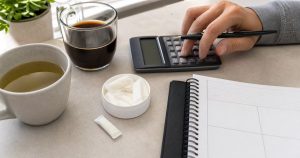
Example: a 140 mg morning coffee plus a 75 mg pouch plus a 180 mg pre-workout equals 395 mg before tea, cola or chocolate. A second pouch would move beyond the general 400 mg reference cited for most adults.
Watch the single-use peak as well as the day total
Spreading intake does not make unlimited caffeine safe. Two products used together can create a stronger acute experience with jitters, anxiety, nausea, palpitations or blood-pressure effects. Allow enough time to judge one product before adding another.
Do not pair caffeine with alcohol to mask tiredness. Alertness can feel improved while impairment remains.
Build a simple calculator habit
Create four columns: time, source, milligrams and running total. Add planned caffeine before consuming it. Include the caffeine amount per pouch—not per can—and check whether a beverage label lists per serving or per container.
Set a personal ceiling below the general reference if you are sensitive, use relevant medications or notice sleep effects. Pregnancy and breastfeeding require separate professional guidance; ACOG advises less than 200 mg/day during pregnancy.
Frequently asked questions
Are caffeine pouches nicotine-free?
A pure caffeine pouch can be formulated with zero nicotine and zero tobacco. Always confirm the specific ingredient list.
Is 400 mg a target dose?
No. FDA cites 400 mg per day from all sources as an amount not generally associated with negative effects for most adults; it is not a personal target.
Are caffeine pouches for minors?
No. Adult caffeine products should be kept away from children and pets.
Does tea caffeine count the same as pouch caffeine?
Yes. All caffeine sources contribute to total intake, even though the beverage also contains other compounds.
{“@context”: “https://schema.org”, “@type”: “FAQPage”, “mainEntity”: [{“@type”: “Question”, “name”: “Are caffeine pouches nicotine-free?”, “acceptedAnswer”: {“@type”: “Answer”, “text”: “A pure caffeine pouch can be formulated with zero nicotine and zero tobacco. Always confirm the specific ingredient list.”}}, {“@type”: “Question”, “name”: “Is 400 mg a target dose?”, “acceptedAnswer”: {“@type”: “Answer”, “text”: “No. FDA cites 400 mg per day from all sources as an amount not generally associated with negative effects for most adults; it is not a personal target.”}}, {“@type”: “Question”, “name”: “Are caffeine pouches for minors?”, “acceptedAnswer”: {“@type”: “Answer”, “text”: “No. Adult caffeine products should be kept away from children and pets.”}}, {“@type”: “Question”, “name”: “Does tea caffeine count the same as pouch caffeine?”, “acceptedAnswer”: {“@type”: “Answer”, “text”: “Yes. All caffeine sources contribute to total intake, even though the beverage also contains other compounds.”}}]}
Sources and responsible-use note
- U.S. FDA: How Much Caffeine Is Too Much?
- EFSA: Caffeine safety assessment
- PubMed: caffeine gum absorption compared with capsules
This article is educational, not medical advice. Caffeine response varies with sensitivity, body size, sleep, medications and health conditions. Count caffeine from every source, follow the label and ask a qualified professional for individual guidance.