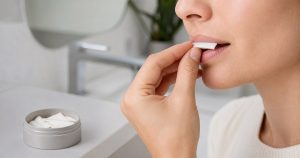
Primary long-tail keyword: can caffeine pouches cause dry mouth
- Why do caffeine pouches sometimes feel drying?
- How can beginners reduce dry mouth with caffeine pouches?
- When is dry mouth a sign to stop using a pouch?
- Which pouch features matter for oral comfort?
- How does hydration fit with daily caffeine limits?
- What should brands say about dry mouth responsibly?
Why do caffeine pouches sometimes feel drying?
A caffeine pouch sits against the gum and cheek, so the local material, flavour system, sweetness, cooling agent and moisture level can all affect comfort. Caffeine may also make some users feel less hydrated because it can increase alertness and change drinking habits. Dry mouth is not proof of a dangerous reaction, but it is a useful signal. If the feeling appears every time, the pouch strength, use time, placement or formula may not fit your mouth. Users with medication-related dry mouth, mouth breathing, anxiety, diabetes, oral sores or salivary issues should be more cautious and ask a clinician when symptoms are persistent.
- Check pouch strength before use.
- Avoid stacking with coffee, energy drinks or pre-workout.
- Remove the pouch if burning, soreness or dryness keeps increasing.
How can beginners reduce dry mouth with caffeine pouches?
Beginners should treat oral comfort like dose control: start low, use one pouch at a time, and track the total caffeine day. Put the pouch under the upper lip without chewing or squeezing it. If the pouch feels too dry, remove it rather than trying to tolerate discomfort. Drinking water helps, but it does not cancel a high caffeine load or an irritating formula. A first-use routine should include a lower strength, a shorter use window, and no extra stimulant products until the user understands how their mouth and body respond.
- Start with a lower-dose pouch if available.
- Use a 10-15 minute trial before longer sessions.
- Rotate placement rather than using the same gum spot all day.
When is dry mouth a sign to stop using a pouch?
Stop using the pouch when dryness comes with gum pain, mouth ulcers, swelling, severe burning, nausea, dizziness, chest discomfort, strong anxiety or palpitations. These symptoms do not always come from the pouch, but continuing to add caffeine can make the situation harder to judge. Dry mouth that lasts after the pouch is removed, happens with multiple products, or appears after a new medicine deserves professional advice. A brand should not market caffeine pouches as harmless simply because they are nicotine free. Nicotine-free still means caffeine-containing, and caffeine tolerance varies widely between adults.
- Stop if symptoms are persistent or escalating.
- Seek urgent help for chest pain, fainting, confusion or severe palpitations.
- Ask a clinician if you have high blood pressure, pregnancy, anxiety or medication concerns.
Which pouch features matter for oral comfort?
Comfort is partly formulation and partly pouch engineering. A soft nonwoven material, consistent fill weight, rounded slim shape, controlled moisture and clean seal edges all reduce the chance of scratchy contact. Flavour intensity also matters: strong cooling, acidic fruit notes or aggressive sweetness can feel refreshing for one user and irritating for another. For private label brands, oral comfort should be tested with real sample pouches, not only flavour liquid. The finished pouch should be checked for fabric softness, seam roughness, leakage, dusting, fill consistency and how it feels after several minutes under the lip.
- Material: soft nonwoven fabric with smooth sealed ends.
- Formula: balanced cooling, sweetness and flavour intensity.
- QC: check weight, seam quality, leakage and pouch texture.
How does hydration fit with daily caffeine limits?
Hydration advice should sit next to total caffeine guidance. The U.S. FDA has discussed 400 mg per day as an amount not generally associated with dangerous effects for many healthy adults, but that is not a personal target and some users need less. A caffeine pouch user should count milligrams from pouches plus coffee, tea, soda, energy drinks, pre-workout and medication ingredients. If dry mouth appears on high-caffeine days, reducing total caffeine may help more than simply adding more water. Sleep timing matters too, because poor sleep can make stimulant side effects feel stronger the next day.
- Count all caffeine sources, not just pouches.
- Avoid late-day use if sleep is affected.
- Choose lower strength when dry mouth appears with high intake.
What should brands say about dry mouth responsibly?
A responsible product page should give the direct answer: caffeine pouches can cause oral dryness or discomfort in some users. It should then explain use time, dose, hydration, placement and stop-use signals. Avoid medical promises such as “no side effects” or “safe for everyone.” For Google and AI search, the best structure is a short answer paragraph, H2 questions, visible FAQ, and clear internal links to dose, ingredient and oral comfort pages. This makes the content more useful and keeps AI summaries from filling in missing safety boundaries.
- Use answer-first copy.
- List who should avoid or ask a clinician.
- Link to dosage, ingredients and beginner-use guides.
Related guides
- Safe daily caffeine limit guide
- Oral comfort and gum irritation guide
- Beginner caffeine pouch steps
- AI search question hub
Frequently asked questions
Can caffeine pouches dry out your mouth?
Yes, some adults may notice dry mouth or local oral discomfort, especially with high caffeine intake, long use time, intense flavours or pre-existing low saliva flow.
Should I drink water with caffeine pouches?
Water can help comfort, but it does not remove the need to count total caffeine or stop using a pouch that causes irritation.
Are dry caffeine pouches worse for comfort than moist pouches?
Not always. Moisture, fabric softness, fill weight, flavour system and personal sensitivity all matter. Test the finished pouch rather than judging by dry or moist alone.
Sources and further reading
- FDA: Spilling the Beans: How Much Caffeine Is Too Much?
- MedlinePlus: Caffeine
- Google Search Central: AI optimization guide
This article provides general educational information, not medical, legal or regulatory advice. Requirements and individual risks vary.
{“@context”: “https://schema.org”, “@type”: “FAQPage”, “mainEntity”: [{“@type”: “Question”, “name”: “Can caffeine pouches dry out your mouth?”, “acceptedAnswer”: {“@type”: “Answer”, “text”: “Yes, some adults may notice dry mouth or local oral discomfort, especially with high caffeine intake, long use time, intense flavours or pre-existing low saliva flow.”}}, {“@type”: “Question”, “name”: “Should I drink water with caffeine pouches?”, “acceptedAnswer”: {“@type”: “Answer”, “text”: “Water can help comfort, but it does not remove the need to count total caffeine or stop using a pouch that causes irritation.”}}, {“@type”: “Question”, “name”: “Are dry caffeine pouches worse for comfort than moist pouches?”, “acceptedAnswer”: {“@type”: “Answer”, “text”: “Not always. Moisture, fabric softness, fill weight, flavour system and personal sensitivity all matter. Test the finished pouch rather than judging by dry or moist alone.”}}]}
{“@context”:”https://schema.org”,”@type”:”BlogPosting”,”headline”:”Can Caffeine Pouches Cause Dry Mouth? Hydration and Oral Comfort Guide”,”description”:”Learn whether caffeine pouches can cause dry mouth, how to reduce oral discomfort, when to stop use, and how hydration fits into daily caffeine intake.”,”url”:”https://www.caffeinepouches.cc/1824.html”,”mainEntityOfPage”:”https://www.caffeinepouches.cc/1824.html”,”datePublished”:”2026-09-29T01:08:13+00:00″,”dateModified”:”2026-09-29T01:08:13+00:00″,”author”:{“@type”:”Organization”,”name”:”CaffeinePouches.cc”,”url”:”https://www.caffeinepouches.cc/”},”publisher”:{“@type”:”Organization”,”name”:”CaffeinePouches.cc”,”url”:”https://www.caffeinepouches.cc/”},”about”:{“@type”:”Thing”,”name”:”caffeine pouches”},”keywords”:[“can caffeine pouches cause dry mouth”,”caffeine pouch”,”pure synthetic caffeine pouches”],”image”:”https://www.caffeinepouches.cc/wp-content/uploads/2026/09/can-caffeine-pouches-cause-dry-mouth-hydration-guide.jpg”}