
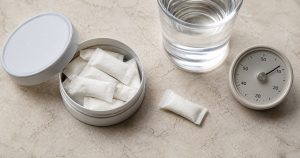
How to Use a Caffeine Pouch for the First Time: Beginner Steps
First time using a caffeine pouch? Follow these beginner steps for dose selection, upper-lip placement, timing, removal and safe disposal.

Caffeine Pouches for Running and Cycling: Timing, Dose and Hydration
A practical guide to caffeine pouches for running and cycling, covering timing, labelled dose, hydration, safe placement and race-day testing.

Why Do Caffeine Pouches Tingle or Burn? Oral Comfort Guide
Why does a caffeine pouch tingle or burn under the lip? Learn how flavour, pH, moisture, placement and gum condition affect mouth feel.

Do Caffeine Pouches Dehydrate You? Hydration Facts and Practical Tips
Do caffeine pouches dehydrate you? Review caffeine’s mild diuretic effect, dry-mouth confusion and hydration tips for work and exercise.

Do Caffeine Pouches Break a Fast? Intermittent Fasting Guide
Do caffeine pouches break a fast? Learn how sweeteners, flavours, calories and caffeine goals affect intermittent fasting decisions.

Caffeine Pouch Material Guide: Nonwoven Fabric, Softness and Seal Strength
The white outer material must hold fine fill, tolerate forming and sealing, allow saliva and dissolved ingredients to move, and remain comfortable during use. It is not ordinary paper. Food-contact suitability, fibre composition, binder system, basis weight, thickness and supplier consistency belong in the finished-product specification.

Custom Printed Caffeine Pouch Cans vs Labels: Packaging Comparison
Pressure-sensitive labels applied to stock cans typically support lower quantities and faster artwork changes. They are useful for market testing, multilingual versions and short seasonal runs. The brand must still control label material, adhesive performance, application alignment, scuff resistance and legibility on a curved surface.

Wholesale Caffeine Pouches for Distributors and Retailers: Buying Guide
A single convenience store, regional distributor, gym chain and online retailer need different case packs, delivery frequencies and commercial terms. State the target country, channel, number of locations, expected monthly volume and whether you need finished branded stock or a private-label product. This allows suppliers to quote the correct route instead of a generic factory price.

How to Import and Ship Private Label Caffeine Pouches Internationally
Customs clearance depends on how the destination classifies the finished pouch and its ingredients. Determine product code, importer responsibilities, registrations, language and label requirements before production. A product accepted in one country may be restricted or classified differently elsewhere.