
Net-weight control for caffeine pouches: tare variation and checkweigher decisions
A checkweigher measures total passing mass.
Net-weight control for caffeine pouches: tare variation and checkweigher decisions Read More »
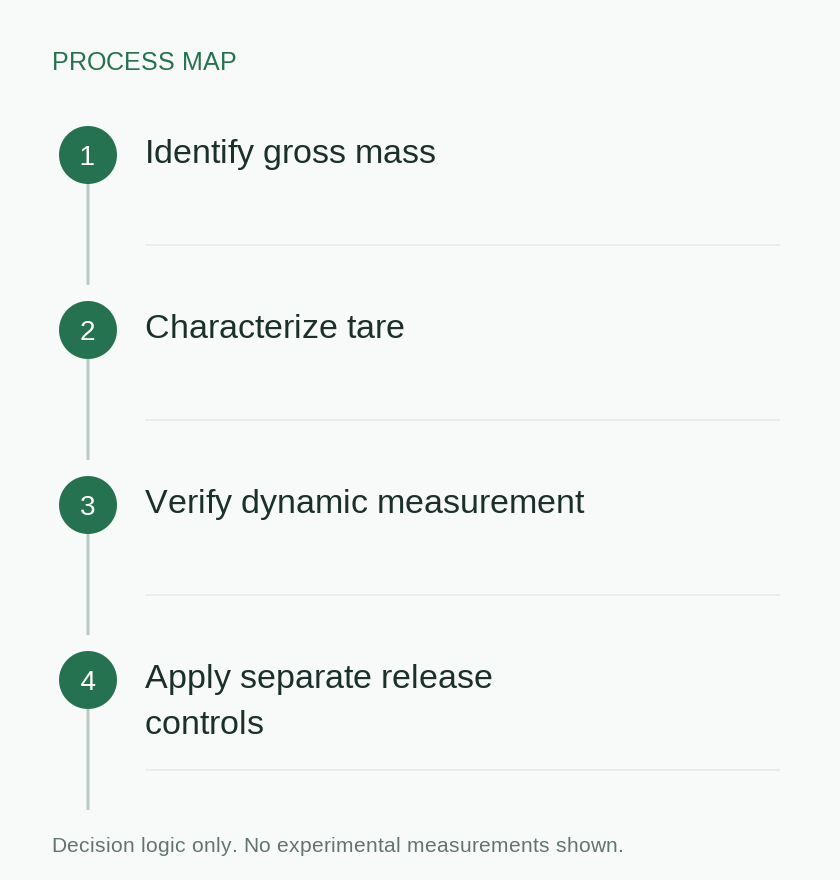
A checkweigher measures total passing mass.
Net-weight control for caffeine pouches: tare variation and checkweigher decisions Read More »
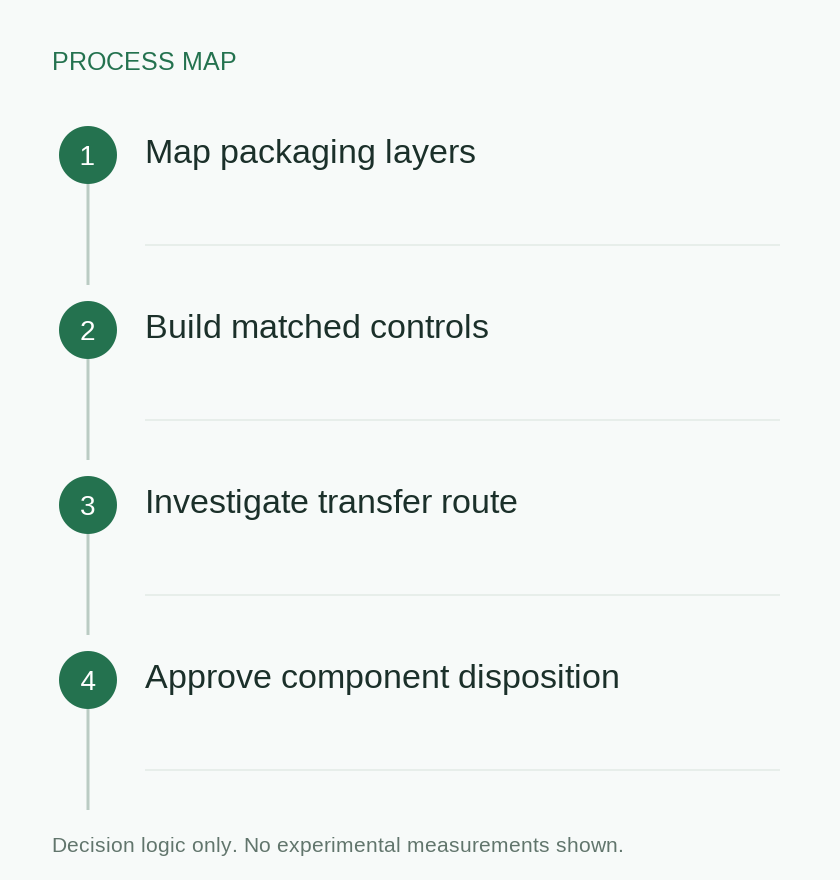
An unfamiliar odor in a pouch can originate outside the formula.
Printed pouch-can packaging: investigating ink odor and flavor transfer Read More »
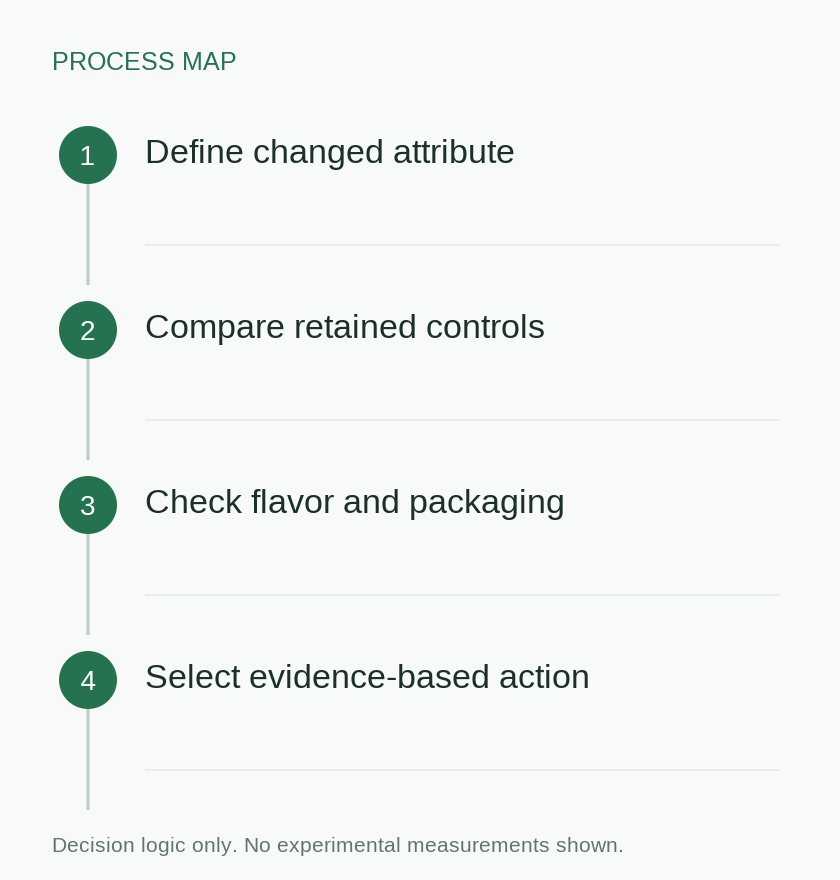
A can can lose its mint character while its caffeine assay remains unchanged.
Caffeine pouch flavor loss: separating volatile loss from caffeine assay drift Read More »
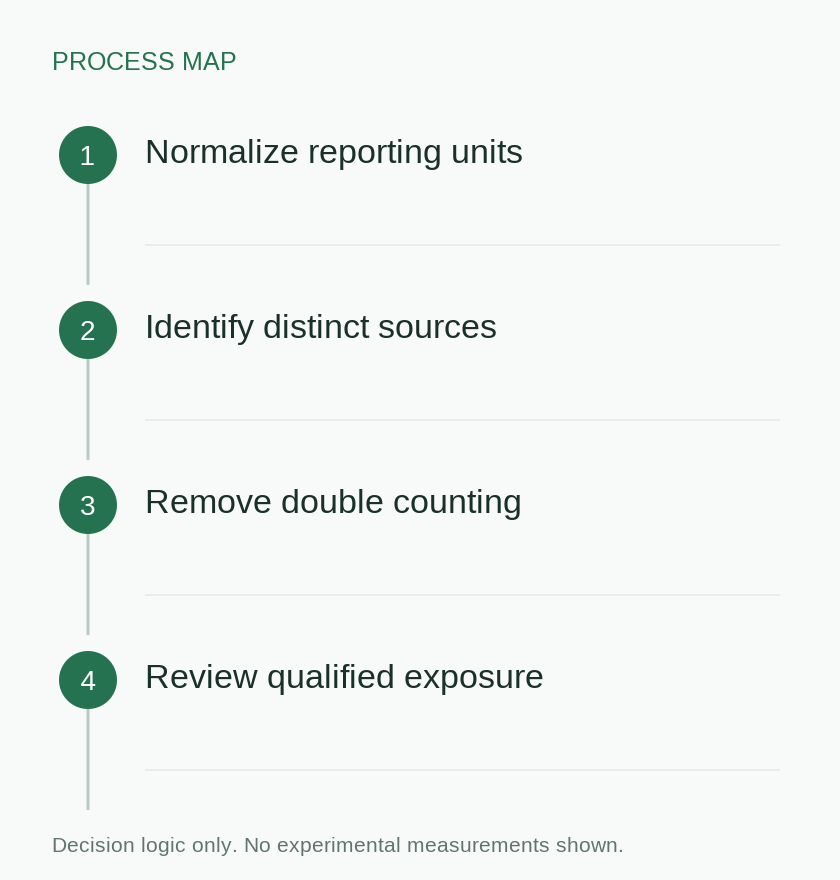
Labels may declare caffeine per pouch, per serving or per can.
Caffeine pouch serving arithmetic: avoiding double counting across product formats Read More »
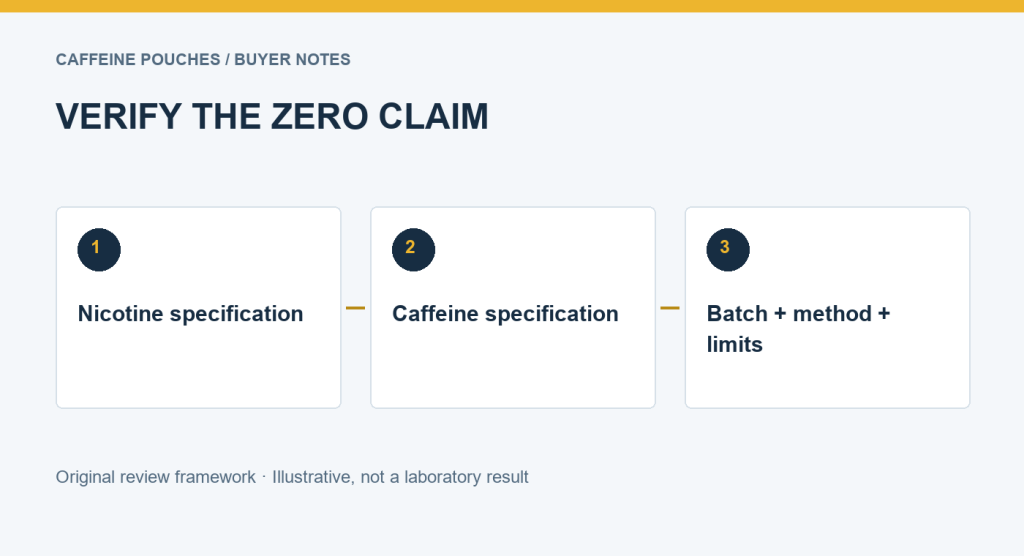
Check zero-content pouch claims with separate specifications, ingredient review, detection limits and batch-linked laboratory evidence.
Verifying nicotine-free and caffeine-free pouch claims: a buyer’s evidence checklist Read More »
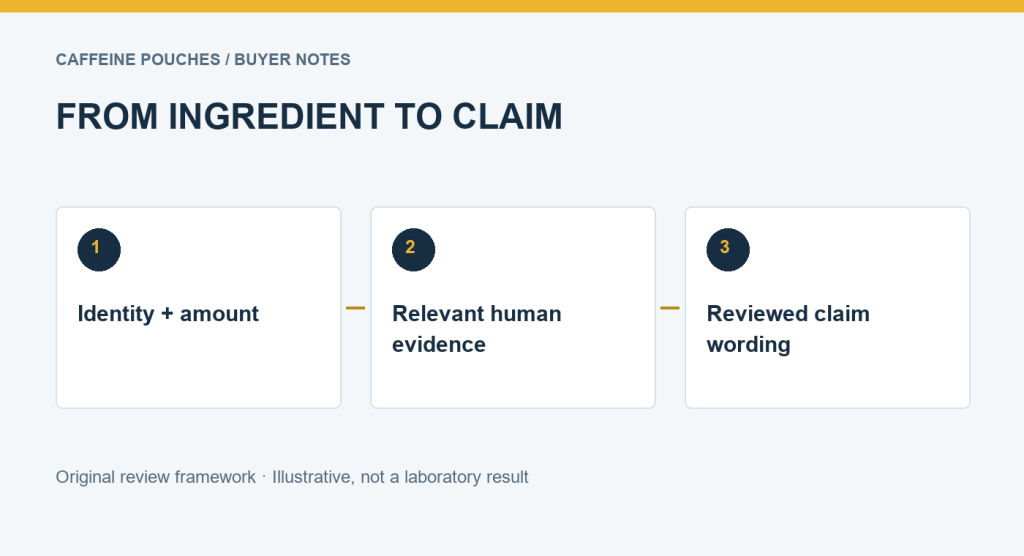
Review nootropic pouch proposals by ingredient identity, quantity, study relevance and the evidence behind the finished-product claim.
Nootropic pouch blends: how to review ingredient evidence before approving a claim Read More »
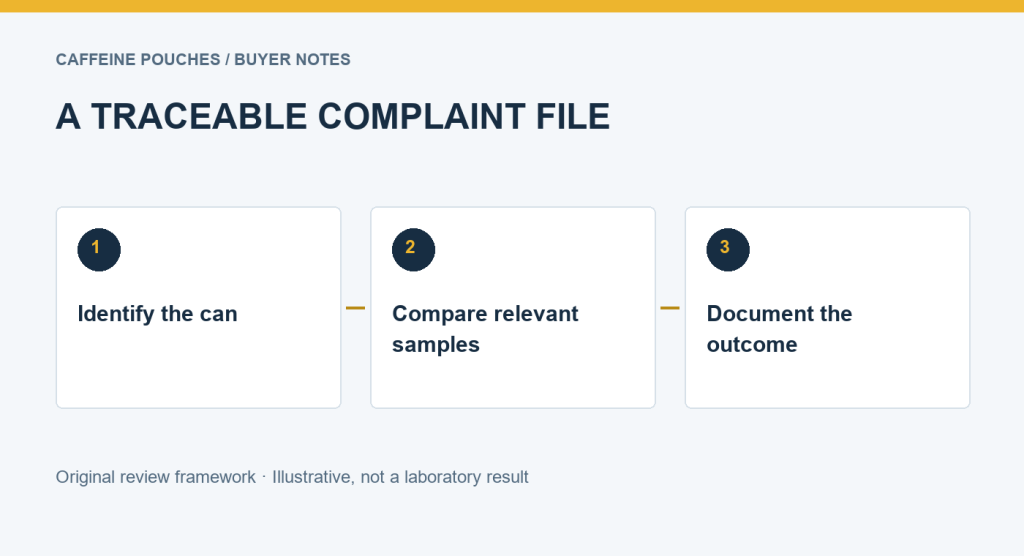
A practical complaint record for caffeine pouch brands: product identity, photographs, retained samples and documented investigation outcomes.
Caffeine pouch complaints: what to record and how a batch investigation works Read More »
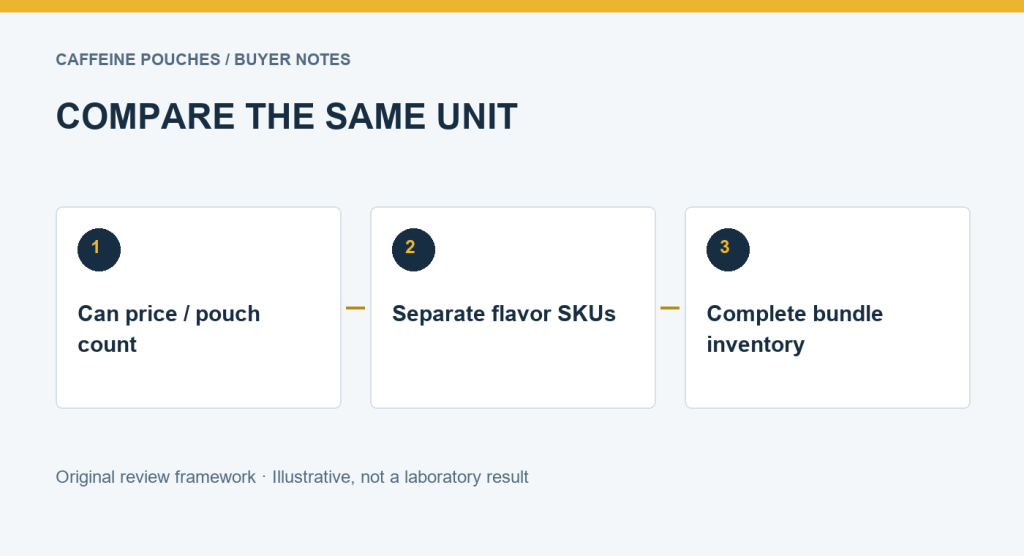
Compare caffeine pouch quotes on the same pack-count basis and plan single-flavor cans, mixed-can bundles and assortment inventory.
Caffeine pouch assortments: comparing pack counts, mixed flavors and quote totals Read More »
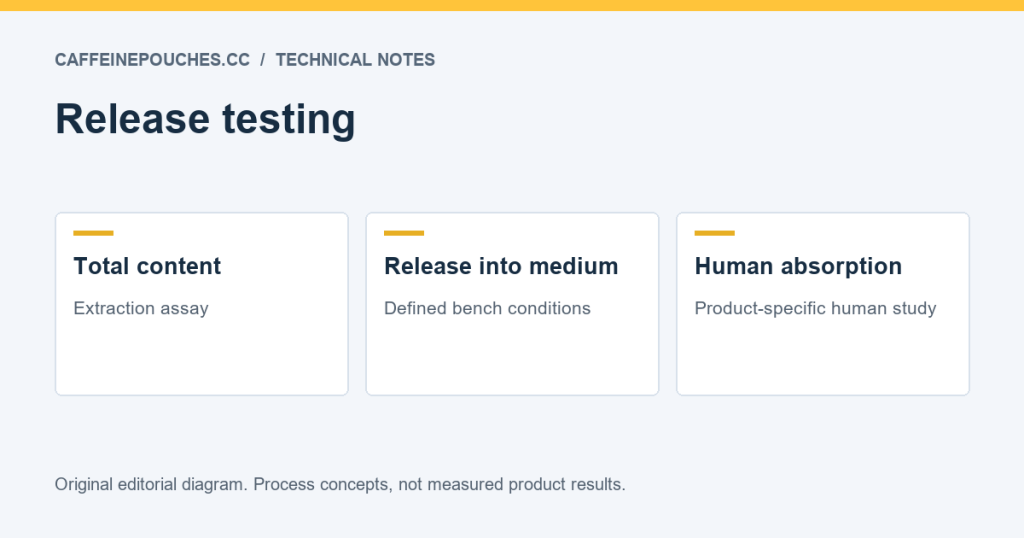
A caffeine pouch release test measures how much caffeine enters a defined liquid over time. Its value depends on the test method, sampling plan and analytical recovery. A release percentage alone cannot establish how much caffeine reaches the bloodstream.
Caffeine pouch release testing: what a laboratory curve can tell a buyer Read More »
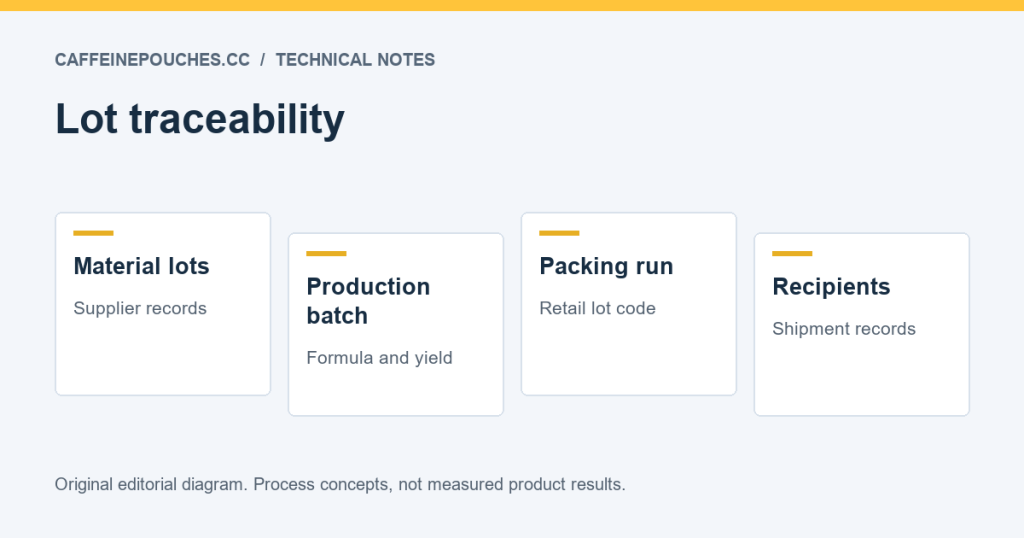
A useful traceability exercise starts with a real lot code and ends with a reconciled inventory, a recipient list and a record of unresolved gaps. Private label brands need links between ingredient lots, manufacturing batches, packed cans and shipments.
Caffeine pouch lot traceability: running a useful mock recall Read More »